

Can Clothes Release Microplastics? Understanding the True Environmental Impact of Clothing
When we think of microplastics, the first things that come to mind are often plastic bags, straws, disposable tableware, or marine litter. However, recent studies have shown that the clothes we wear every day are also an important source of microplastics. Whenever we wear, wash, dry, or store certain synthetic-fiber garments, extremely tiny plastic fibers may be shed. These particles, which are almost invisible to the naked eye, can enter rivers and oceans through laundry wastewater or become dispersed in indoor air, eventually making their way into the natural environment and potentially returning to human life through the food chain.
In recent years, scientists have detected microplastics in human blood, lungs, placental tissue, and other parts of the body, raising global concern about their potential environmental and health effects. Although research into their long-term effects is still ongoing, a growing number of experts believe that reducing microplastic generation at the source is an important step toward environmental sustainability. It is important to note that this does not mean all synthetic-fiber clothing should be discarded immediately. Truly sustainable fashion means understanding the characteristics of different materials and making more conscious choices, such as extending the lifespan of clothing, reducing unnecessary purchases, and giving priority to natural fibers or durable, timeless designs when buying new clothes.
For Celestial Cloud Fashion, a good garment should not only be comfortable and beautiful to wear, but should also balance aesthetics, quality, and environmental protection. When we begin to understand the complete life cycle of a garment—from its creation and use to its eventual disposal—we can better appreciate how every purchasing decision can contribute to a more sustainable way of life.
2. How Do Microplastics Affect the Environment?
3. Are Natural Fibers Really More Environmentally Friendly?
4. How Can We Reduce Microplastic Pollution Starting with Our Wardrobes?
5. Conclusion
1. Why Do Clothes Produce Microplastics?
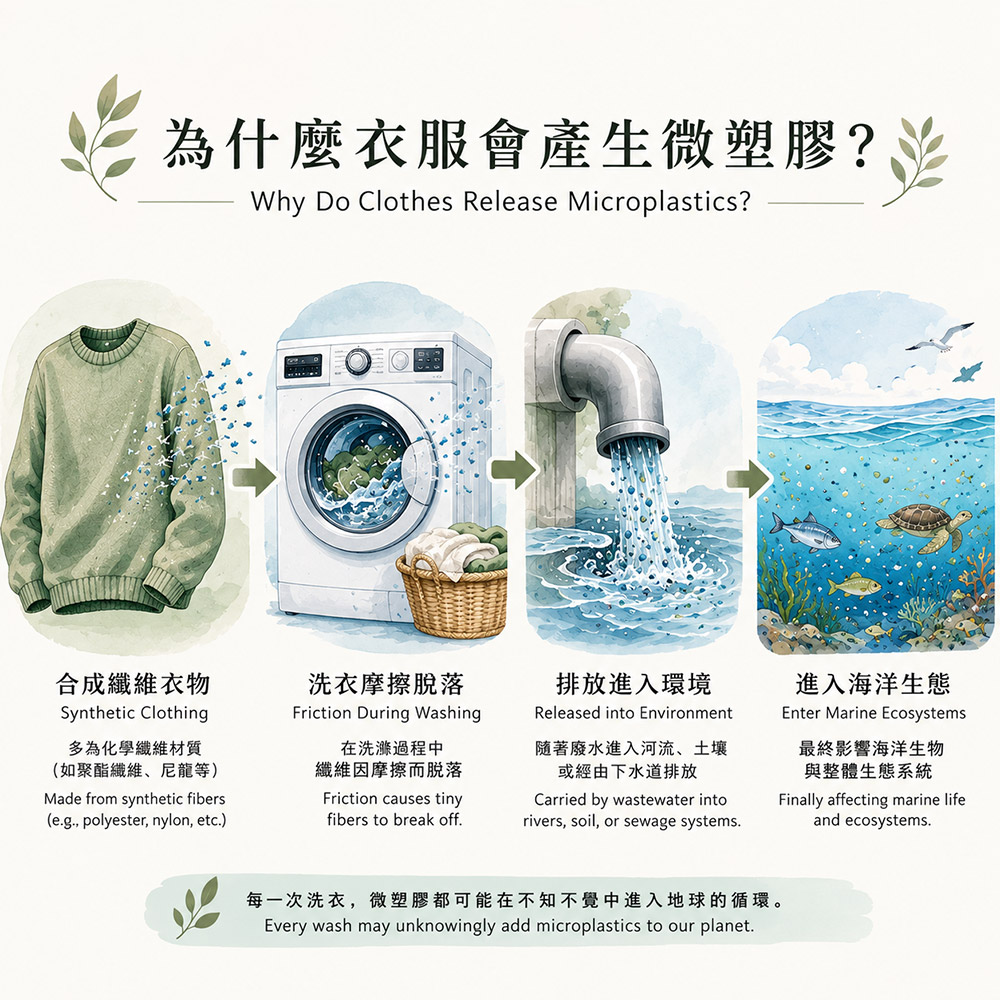
Synthetic Fibers Are Essentially a Type of Plastic
Common materials such as polyester, nylon, acrylic, and spandex are essentially plastic polymers made from petroleum-based raw materials. They are widely used in the clothing industry because they offer advantages such as durability, wrinkle resistance, quick drying, and relatively affordable prices. Polyester, in particular, is widely used in sportswear, functional outerwear, fleece garments, fast-fashion clothing, and some types of innerwear. The rapid growth of the global apparel market has also contributed to synthetic fibers becoming one of the major materials used in textile production. However, while these materials offer convenience, they also present another environmental challenge. When fibers are shed through friction, they can form extremely small plastic particles known as plastic microfibers.
Washing Clothes Is an Important Source of Microplastic Release
Compared with everyday wear, washing machines are an important source of microplastic release. As garments tumble and rub against one another inside a washing machine, tiny fibers on their surfaces can gradually break away. Research has shown that a single wash of synthetic-fiber clothing can release large quantities of plastic microfibers. Although wastewater treatment plants can capture some of these particles, many tiny fibers may still enter rivers, lakes, and oceans through discharged wastewater. Because microplastics are extremely small, most current wastewater treatment systems cannot capture 100% of them. Reducing emissions at the source has therefore become an important issue that countries around the world continue to address.
Everyday Wear Can Also Continuously Release Microfibers
In addition to washing, everyday activities such as wearing, folding, and storing clothes—and even movements such as sitting down and standing up—can cause tiny fibers to be released. Some of these fibers settle in indoor dust, while others may become airborne. Although the amount released at any one time may be small, long-term accumulation can still have an impact on the environment. Microplastics are therefore not found only in the ocean; they are also present in the environments where we live every day.
2. How Do Microplastics Affect the Environment?
Marine Organisms May Mistake Microplastics for Food
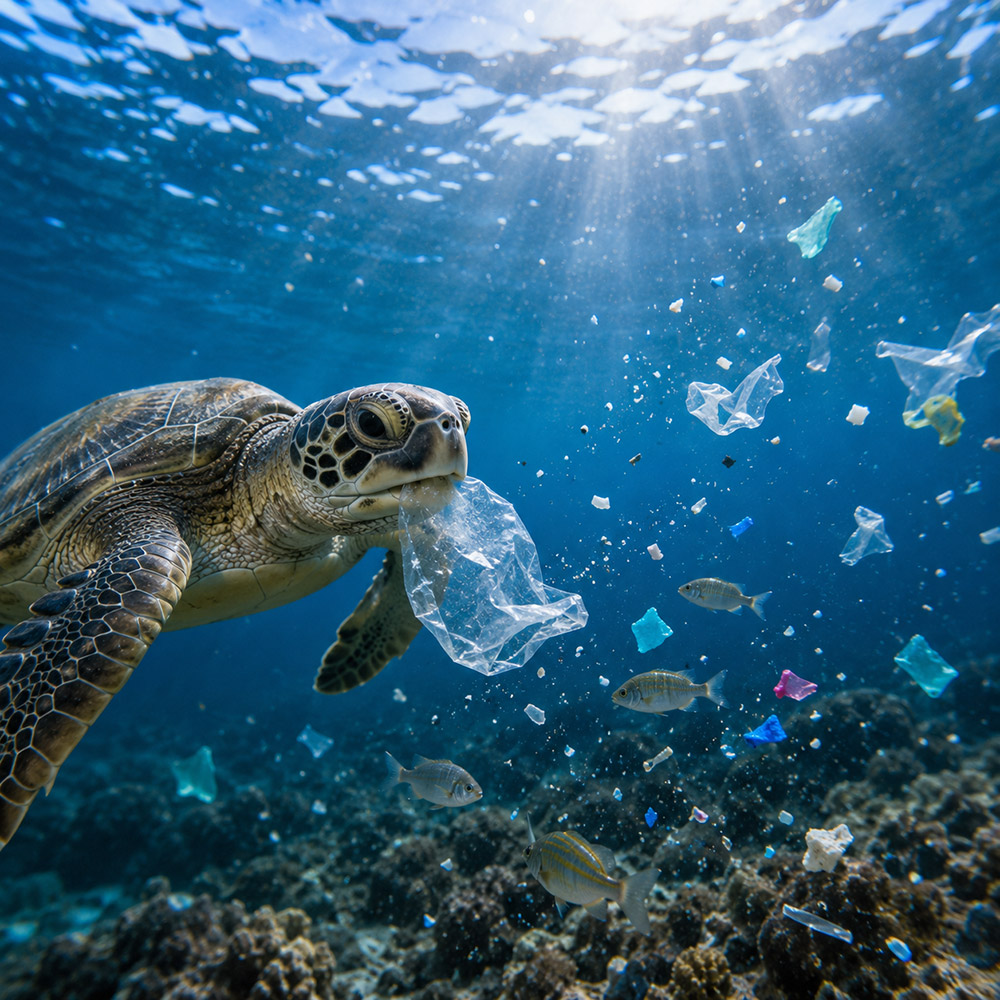
When microplastics enter rivers and oceans, they can be mistakenly ingested by plankton, shellfish, small fish, and other aquatic organisms. Because these particles cannot be digested normally, they may accumulate in the digestive system and potentially affect feeding efficiency, nutrient absorption, growth, and development. As microplastics move through the food chain, larger fish, seabirds, and marine mammals may also accumulate greater quantities, potentially contributing to long-term effects on marine ecosystems.
Microplastics May Carry Other Pollutants
In addition to being resistant to degradation, microplastics may adsorb heavy metals and certain organic pollutants from the surrounding environment. When organisms accidentally ingest these particles, they may be exposed not only to the plastics themselves but also to pollutants attached to their surfaces, adding further stress to ecosystems. Reducing microplastic emissions is therefore not only about reducing plastic pollution; it may also help limit the transport of other environmental contaminants.
Humans May Also Be Exposed to Microplastics
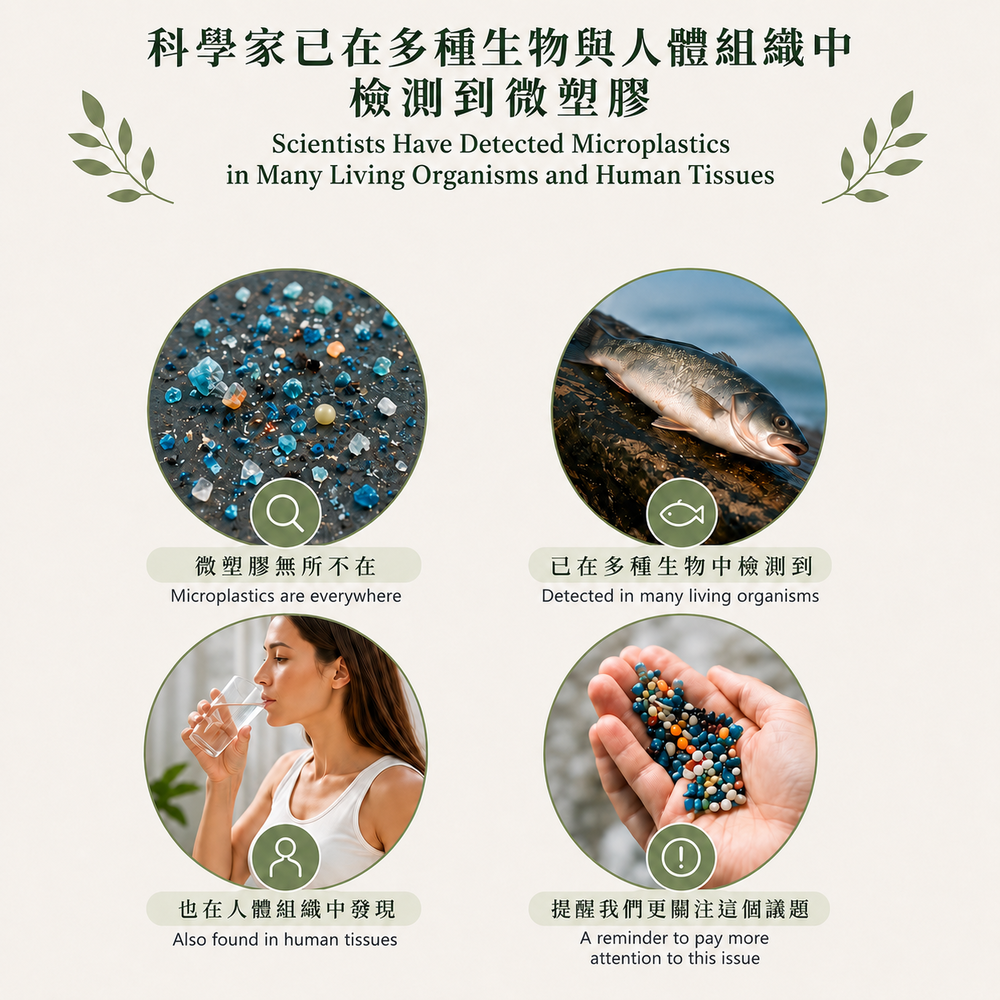
In recent years, studies have detected microplastics in human blood, lungs, placental tissue, and other parts of the body, indicating that humans may indeed be exposed to microplastics through food, drinking water, and air. The long-term health effects of microplastics are still under investigation, and the scientific community has not yet reached a definitive consensus. Nevertheless, as evidence continues to accumulate, reducing unnecessary microplastic emissions is widely regarded as a prudent approach that can contribute to environmental sustainability. Humans may indeed be exposed to microplastics through food, drinking water, and air.
3. Are Natural Fibers Really More Environmentally Friendly?
Natural Fibers Generally Do Not Produce Plastic Microfibers
When discussing ways to reduce microplastics from clothing, many people first think of switching to natural fibers. From the perspective of plastic microfiber pollution, this is indeed an option worth considering. Cotton, linen, hemp, lyocell, and other plant-derived fibers are not petroleum-based plastic polymers. Therefore, even if small fibers are shed during use, they are not classified as plastic microfibers. Compared with synthetic materials such as polyester and nylon, natural fibers are generally more biodegradable in natural environments and pose a relatively lower risk of long-term plastic accumulation in ecosystems. However, this does not mean that natural fibers have no environmental impact. Different materials still require water, energy, and other natural resources during cultivation, processing, dyeing, finishing, and transportation. Clothing choices should therefore be considered from a full life-cycle perspective rather than focusing solely on one aspect of the material.
Durability Matters More Than Rapid Replacement
Does simply choosing natural fibers make clothing the most environmentally friendly option? In fact, truly sustainable fashion depends not only on the material, but also on how long a garment can be used. A well-made garment with a timeless design that can be worn for five or ten years may result in lower overall resource consumption and carbon emissions than inexpensive clothing that is discarded within a year. Fast fashion has brought large quantities of inexpensive clothing to the market while also accelerating the rate at which garments are discarded. According to relevant research, hundreds of millions of garments are discarded worldwide each year, many of which still have usable life remaining. Therefore, buying less and wearing clothes for longer is often a more sustainable approach than frequently replacing garments.
Returning to Natural, Comfortable, and Timeless Designs
More and more consumers are rediscovering the value of natural fibers. Linen, for example, offers excellent breathability, moisture absorption, and durability. It also becomes softer with repeated wear, making it particularly appealing to people who value comfort and quality in everyday life.
Celestial Cloud Fashion has long incorporated natural fibers into its designs, with the hope that clothing can represent not only personal style but also a way of living in greater harmony with nature. Through timeless, understated designs, comfortable silhouettes, and high-quality craftsmanship, each garment can accompany its wearer for longer, helping reduce unnecessary waste and lessen the burden on the environment.
4. How Can We Reduce Microplastic Pollution Starting with Our Wardrobes?
Pay More Attention to Material Labels When Buying New Clothes
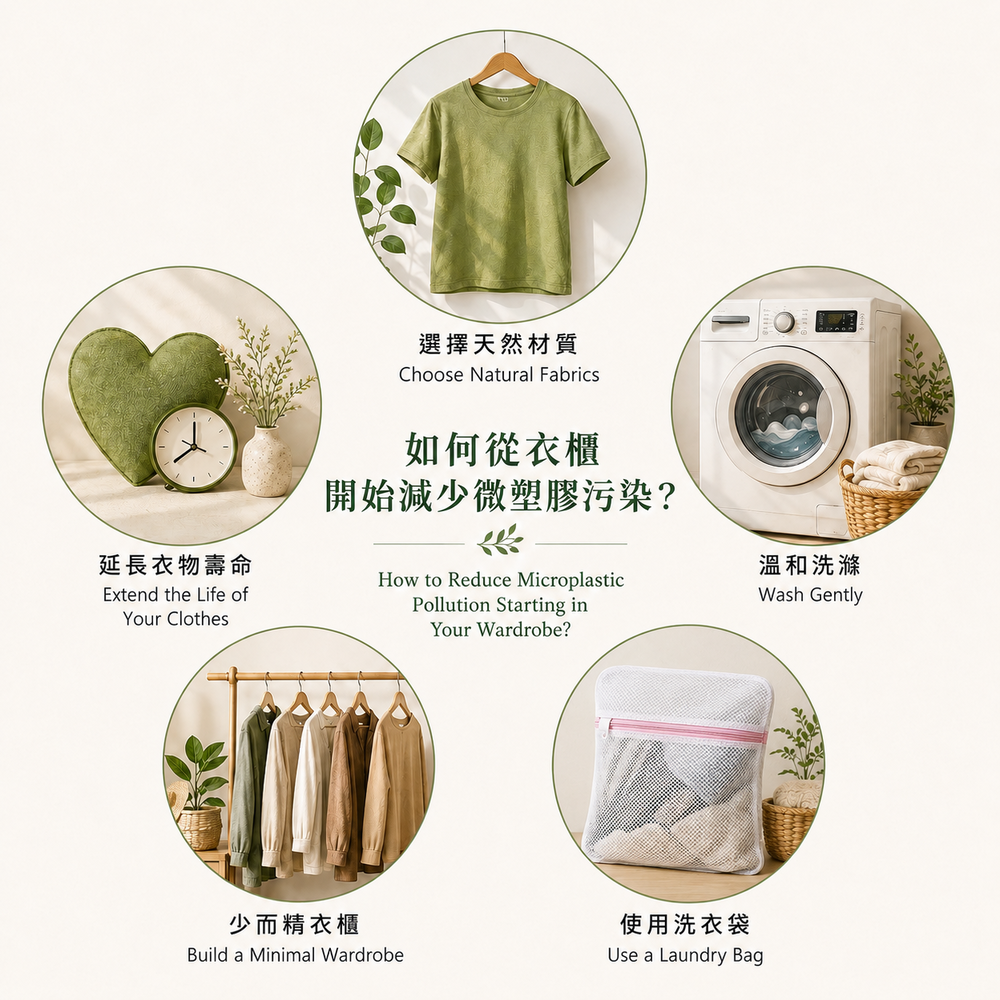
Every purchase is a choice. When shopping for new clothes, consider taking a moment to check the fiber content on the care label. You may choose to give greater consideration to plant-derived fibers such as linen, pure cotton, and lyocell, gradually increasing the proportion of these materials in your wardrobe. If functional clothing is necessary for work or exercise, consider choosing higher-quality, more durable products to avoid increasing the overall environmental burden through frequent replacement.
Changing Laundry Habits Can Also Help Reduce Microplastic Emissions
In addition to material choices, the way we wash our clothes also matters.
For example:
• Avoid washing a garment after every single wear when washing is unnecessary.
• Use lower temperatures and gentler wash cycles.
• Avoid excessive agitation in the washing machine.
• Reduce high-temperature tumble drying.
• Consider using microfiber-catching laundry bags or filters when appropriate.
These seemingly small changes can not only help reduce microfiber emissions but may also extend the lifespan of clothing and reduce the need for frequent replacement.
Build a Wardrobe Based on “Fewer, Better Pieces”
Sustainable fashion does not mean that we can never buy new clothes. Rather, it means making each purchase more meaningful. Building a wardrobe with fewer, better pieces—choosing garments that coordinate easily with one another, suit your lifestyle, and stand the test of time—can reduce the familiar frustration of having a full wardrobe yet feeling that there is nothing to wear. It can also help reduce impulse purchases and unnecessary resource consumption. Truly refined style is not about how many clothes we own, but about whether each garment is worth wearing again and again.
5. Conclusion
Microplastic pollution is a global environmental issue, and clothing is one important source. We do not need to immediately discard all synthetic-fiber clothing out of concern about microplastics. What matters more is making increasingly conscious decisions with each future purchase. Choosing higher-quality garments, extending the lifespan of our clothes, reducing unnecessary washing, and giving greater consideration to natural fibers are all practical changes that individuals can make.
Celestial Cloud Fashion has always believed that a garment truly worth cherishing should offer more than an elegant appearance. It should also embody beauty, comfort, durability, and respect for the environment. When we slow down our consumption and reconsider our relationship with clothing, what we wear can become more than an expression of personal style—it can also become part of a more sustainable way of life.
CTA
Have you ever taken a closer look at your wardrobe to see whether your clothes are made from natural or synthetic fibers?
If you found this article helpful, please feel free to share it with friends who care about the environment and enjoy fashion. Together, we can begin with our everyday choices and make every outfit an opportunity to be kinder to the Earth.
FAQ
Q1: Are clothes made from natural fibers always more environmentally friendly than those made from synthetic fibers?
Not necessarily. Natural fibers generally do not produce plastic microfibers and are often more biodegradable, but their overall environmental impact also depends on cultivation, processing, dyeing, finishing, transportation, and other stages of their life cycle.
Q2: Should I replace all of my polyester clothing?
No. Extending the useful life of the clothes you already own is generally more consistent with sustainable principles than discarding them prematurely. When purchasing new clothing in the future, you can gradually increase the proportion of natural fibers in your wardrobe.
Q3: Which types of clothing are most likely to release microplastics?
Garments made from synthetic fibers such as polyester, nylon, and acrylic can release plastic microfibers through washing and friction. Materials with raised or fuzzy surfaces, such as fleece, may require particular attention.
Q4: How can I reduce microplastic emissions when doing laundry?
You can avoid unnecessary washing, use gentler wash cycles, reduce tumble drying, and consider using microfiber-catching laundry bags or filters when appropriate.
Q5: What is the most important principle of sustainable fashion?
Truly sustainable fashion is not only about choosing natural materials. It is also about buying less, wearing clothes for longer, cherishing each garment, reducing resource waste, and allowing our clothes to remain part of our lives for many years.
References
1. Ellen MacArthur Foundation. (2017). A New Textiles Economy: Redesigning Fashion’s Future.
2. European Environment Agency. (2022). Microplastics from Textiles: Towards a Circular Economy for Textiles in Europe.
3. International Union for Conservation of Nature (IUCN). (2017). Primary Microplastics in the Oceans.
4 Napper, I. E., & Thompson, R. C. (2016). Release of synthetic microplastic plastic fibres from domestic washing machines. Marine Pollution Bulletin, 112(1–2), 39–45.
5. United Nations Environment Programme (UNEP). (2021). From Pollution to Solution: A Global Assessment of Marine Litter and Plastic Pollution.
6. World Health Organization. (2019). Microplastics in Drinking-water.
Related products


PRODUCT DETAILS - Stock ID: V0368 - Name: Creating Spring - Material: Outer fabric: cotton. Lining: cotton WEIGHT Subject to shipped product. CARING - Washable, water temperature below 57℃. - Use neutral detergents. - Can spin dry. - Do not bleach. - Do not tumble dry. PURCHASE NOTE * Accessories not included. * Personally customized styles. No returns or exchanges. * Sizes other than those listed in the size chart can be custom-made, and there will be an additional fee for sizes larger than XL. Vegan Peace Series of Autumn/Winter Coats Noble & Elegant, Cozy and Light, Fashionable Love Crafted from premium imported fabrics, these selections are soft, comfortable, vibrant, and versatile, effortlessly combining warmth and beauty without the heaviness often associated with autumn and winter. Each stitch is woven with love and blessed with grace, wrapping you in warmth and comfort throughout the autumn and winter seasons. Decorated with vegan slogan cloth patches, these pieces spread a message of peace, planting seeds of love in the earth while fostering a serene spiritual haven. Wear it to: • Proclaim the gospel of peace and radiate light and hope in every direction. •Allow the light of wisdom to illuminate your heart and share the glory of God with the Milky Way! Embrace Heaven and Earth with a vegan spirit and illuminate all beings with fashionable love! Make your choice now and let love and peace follow you every day! ..
Add to Cart

PRODUCT DETAILS - Stock ID: V0555 - Name: Fresh & Carefree - Material: 100% cotton WEIGHT Subject to shipped product. CARING - Washable, water temperature below 62℃. - Use neutral detergents. - Can spin dry. - Do not bleach. - Do not tumble dry. PURCHASE NOTE * Accessories not included. * Personally customized styles. No returns or exchanges. * Sizes other than those listed in the size chart can be custom-made, and there will be an additional fee for sizes larger than XL. Vegan Peace Series Autumn/Winter Dresses These dresses, crafted from premium British cotton and adorned with delicate floral embellishments, embody serenity and grace, infusing autumn and winter with a gentle, poetic charm. Infused with the vitality of life and the radiance of Heavenly light, these designs let your body and mind soar freely and untamed. Decorated with cloth patches featuring vegan slogans, these dresses radiate love and hope, brimming with joy and strength as they envision a harmonious vegan world of peace. A fashionable vegan choice for radiating gorgeous youthful and spiritual beauty! ..
Add to Cart

PRODUCT INTRO Supreme Master Ching Hai has created a magnificent series of slogan-decorated garments & accessories for the vegan Golden Era. The slogans help to awaken people’s innate benevolent and loving nature, thus opening the Great Gate to a peaceful vegan world! This collared shirt dress features a high-waisted cut to accentuate the figure, romantic and elegant rose-shaped buttons, and subtly designed shallow V-shaped side pockets. It can be worn as a light jacket or as a top, offering two styling options in one piece. Made from 100% natural linen, it is cool and breathable, with a subtle sheen and a crisp feel. Both front and back are adorned with God's Blessing vegan slogans and elegant patterns. Wearing this is not just a fashion statement—it's an act of peaceful vegan advocacy. PRODUCT DETAILS Stock ID: B1501 Name: Elegant Linen Floral Shirt Dress Material: 100% Linen Vegan Slogans: Being vegan, keeping peace, having Heaven's bliss! Vegan = Love in Action. CARING ・Hand wash or machine wash in a laundry bag. ・Wash with cold water (below 30°C or 86°F) with a mild detergent. ・Do not bleach or dry clean. ・Air dry in the shade. ・Do not tumble dry to prevent shrinkage and deformation. ・Iron at medium heat (approximately 150°C or 302°F). ・Do NOT iron directly on the printed surface. Place a thin towel over the print area and iron on the lowest heat. ・Spray creases with water. Iron with a thin towel. COLOR DISCLAIMER Product pictures are taken of the actual product. There may be slight color differences between the photos and the actual product due to the lighting sources and how they are displayed by your monitor or device. ..
Add to Cart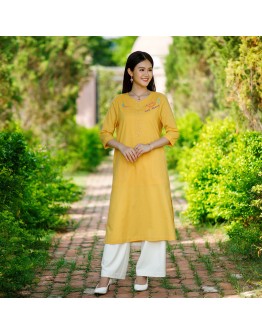
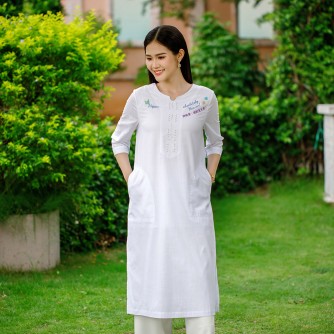
PRODUCT DETAILS Stock ID: B1506 Name: Vegan Slogan "Absolutely Heaven!" Elegant Beaded Tunic Dress (lightweight, thin, and breathable fabric) Slogans: Vegan: absolutely Heaven! Vegan: quality of Heaven! Fabric: 100% cotton CARING • Use a mild, neutral detergent. • Wash dark and light colors separately with cold water (below 35℃ or 95°F). • Do NOT bleach or use fabric softener. * Do not machine wash, tumble dry, soak, or rub. * Hand wash gently inside out. * Do not scrub printed or sewn areas. * Avoid wringing to prevent deformation. Use a low-speed spin cycle. * Hang or lay flat to dry in a cool, shaded place. * Avoid ironing sewn embellishments and printed designs. Avoid contact with perfumes and alcohol. * Iron the garment inside out. Use a pressing cloth at max 110°C or 230°F. COLOR DISCLAIMER Product pictures are taken of the actual product. There may be slight color differences between the photos and the actual product due to the lighting sources and how they are displayed by your monitor or device. 🌟 Product Highlights 100% Pure Cotton — Lightweight and Breathable Made from carefully selected premium pure cotton, this fabric feels soft, gentle, and comfortable against the skin. Its distinctive texture creates a naturally airy surface that does not cling to the body, helping absorb moisture while remaining breathable and fresh. It offers light, natural comfort throughout the day. Slim Longline Silhouette with Elegant Side Slits The flattering longline cut is complemented by high side slits at the hem, allowing the fabric to move freely and gracefully with every step. Whether paired with wide-leg trousers or classic pants, this design creates a clean, refined silhouette while visually elongating the lower body and adding depth and elegance to the overall look. Slit Cuffs with Braided Metal-Trim Buttons The three-quarter sleeves feature subtle side slits for added comfort and a touch of refined detail. The tone-on-tone buttons harmonize beautifully with the garment, while delicate braided metal edging adds a sophisticated and elegant finishing touch. Delicate V-Neckline with Beaded Detailing A subtle V-shaped neckline gently flatters the face and elongates the neckline. Fine vertical pleats at the center are accented with small lustrous beads, which catch the light softly as you move. The understated shimmer adds a graceful touch of elegance and showcases thoughtful craftsmanship in every detail. Practical Side Pockets Convenient pockets on both sides provide easy storage for everyday essentials such as your phone, keys, or other small items, combining practicality with effortless style. 🎨 Printing & Decorative Craftsmanship Eco-Friendly Raised Printing with Iridescent Glitter Accents Made with non-toxic, environmentally conscious printing materials and dimensional printing techniques, the design features a subtly raised texture that adds depth and tactile appeal. Refined Printed Lettering and Motif Design The prints on the front and back feature a harmonious palette of fresh, elegant colors that express an appreciation for nature and a vegan lifestyle. Delicate butterfly and botanical vine motifs surround the lettering, enhanced with translucent iridescent glitter accents. Under natural or indoor lighting, they softly reflect rainbow-like hues, creating a subtle yet captivating sparkle. 🎨 Four Charming Color Options Designed to complement a variety of skin tones and personal styles: Pure White: Fresh and luminous like the morning light, offering a serene, clean, and effortlessly refined look. Sky Blue: Calm and elegant, creating a soft and tranquil impression with an air of intelligence and grace. Coral Pink: Warm, sweet, and softly romantic, naturally complementing the complexion while enhancing a gentle, graceful presence. Warm Yellow: Bright and uplifting like sunshine, full of energy and vitality while blending a touch of Eastern classical charm with a nostalgic artistic mood. ..
Add to Cart

