
What is PFAS? Looking at Clothing Safety and Non-Toxic Materials Through the Lululemon Incident
In the past, clothing choices were primarily based on design, price, and comfort. However, in recent years, with advancements in chemical testing technology and environmental research, "material safety" has gradually become a crucial issue in the consumer market. Recent discussions surrounding the material safety of performance apparel from athletic brands have once again pushed the potential presence of chemicals in clothing into the public eye. In particular, ingredients like PFAS, known as "forever chemicals," have sparked global concern over textile safety and environmental impact. Clothing is no longer viewed merely as a daily consumer product; instead, it is increasingly recognized as a source of long-term exposure linked to human health and ecosystems.
2. Definition and Health Risk Analysis of PFAS
3. Definition of Non-Toxic Materials and Industry Transformation
4. The Interconnected System of Environment and Human Health
5. How Consumers Can Choose Relatively Safe Materials
6. Conclusion: Clothing Safety Is Becoming a New Consumer Standard
1. Background and Industry Current Status of Clothing Safety Issues
Hidden Risks of Long-Term Contact
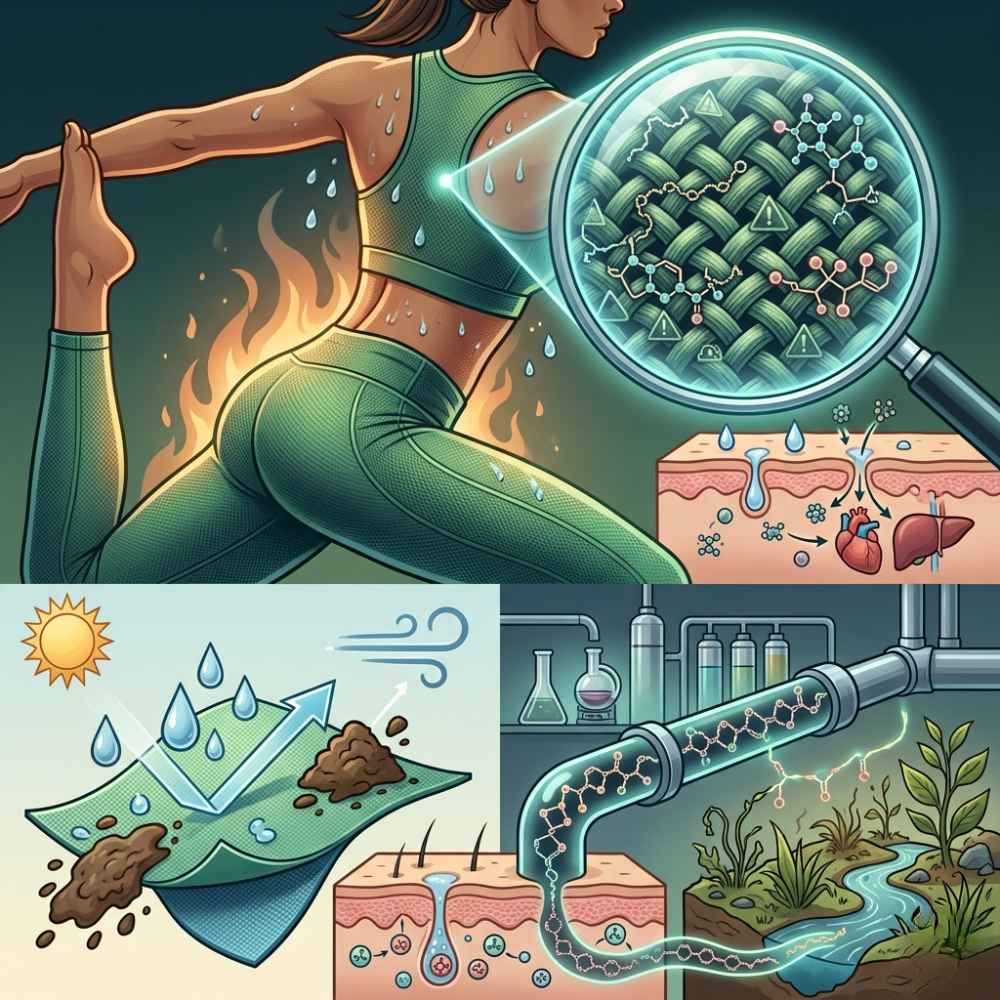
The contact time between clothing and skin is significantly higher than that of most daily necessities. Especially during exercise, sweating, or in high-temperature environments, the permeability of the skin barrier can alter, allowing external substances to enter the human body more easily. This makes the safety of clothing materials an integral part of health risk assessments.
Extended Impact of the Lululemon Controversy
Discussions surrounding Lululemon have prompted the market to re-examine the chemical treatment processes used in performance apparel. Although the relevant products heavily market functionality and comfort, whether their manufacturing processes involve high-risk chemical substances has become a central focus of public attention.
The Industry's Structural Reliance on Performance Apparel
The modern textile industry relies heavily on chemical processing technologies, including waterproof, stain-resistant, and wrinkle-free treatments. While these technologies enhance product performance, they simultaneously increase the potential risks of chemical residues and environmental emissions, forcing the industry to confront the challenge of balancing safety and functionality.
2. Definition and Health Risk Analysis of PFAS
Basic Characteristics of PFAS
PFAS are a class of synthetic chemical substances widely used in waterproof, oil-proof, and stain-resistant treatments. Due to their stable molecular structure, they do not degrade easily.
Environmental Issues of "Forever Chemicals"
The most prominent characteristic of PFAS is their extremely high environmental stability. They are difficult to break down through natural processes, which leads to their long-term persistence in water sources, soil, and ecosystems, creating a continuous source of pollution.
Potential Impacts on Human Health
Studies indicate that PFAS may be linked to endocrine disruption, immune system alterations, and metabolic issues. Although the toxicity levels vary among different substances, long-term exposure is still considered a potential risk factor.
3. Definition of Non-Toxic Materials and Industry Transformation
Basic Concept of Non-Toxic Materials
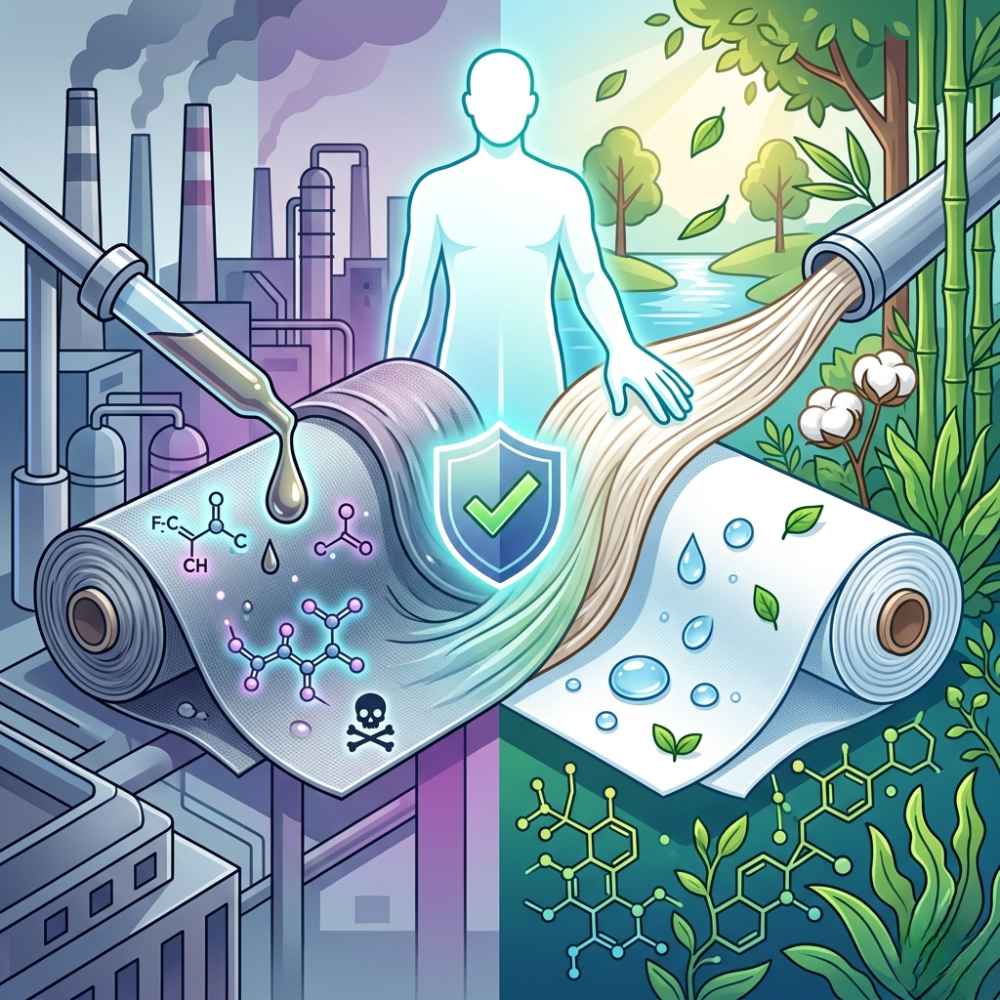
Non-Toxic materials generally refer to substances that reduce or avoid the use of chemical ingredients that pose high risks to human health and the environment during production and usage, while complying with relevant safety standards and testing regulations.
Development Direction of Alternative Technologies
Currently, the textile industry is gradually developing alternative technologies, including fluorine-free waterproof coatings, bio-based materials, and low-chemical processing manufacturing, in order to reduce long-term impacts on the environment and the human body.
From Added Value to a Basic Requirement
In the past, non-toxic materials were mostly viewed as premium or eco-friendly options. However, with stricter regulations and rising consumer awareness, they are rapidly transforming into a basic product safety standard.
4. The Interconnected System of Environment and Human Health
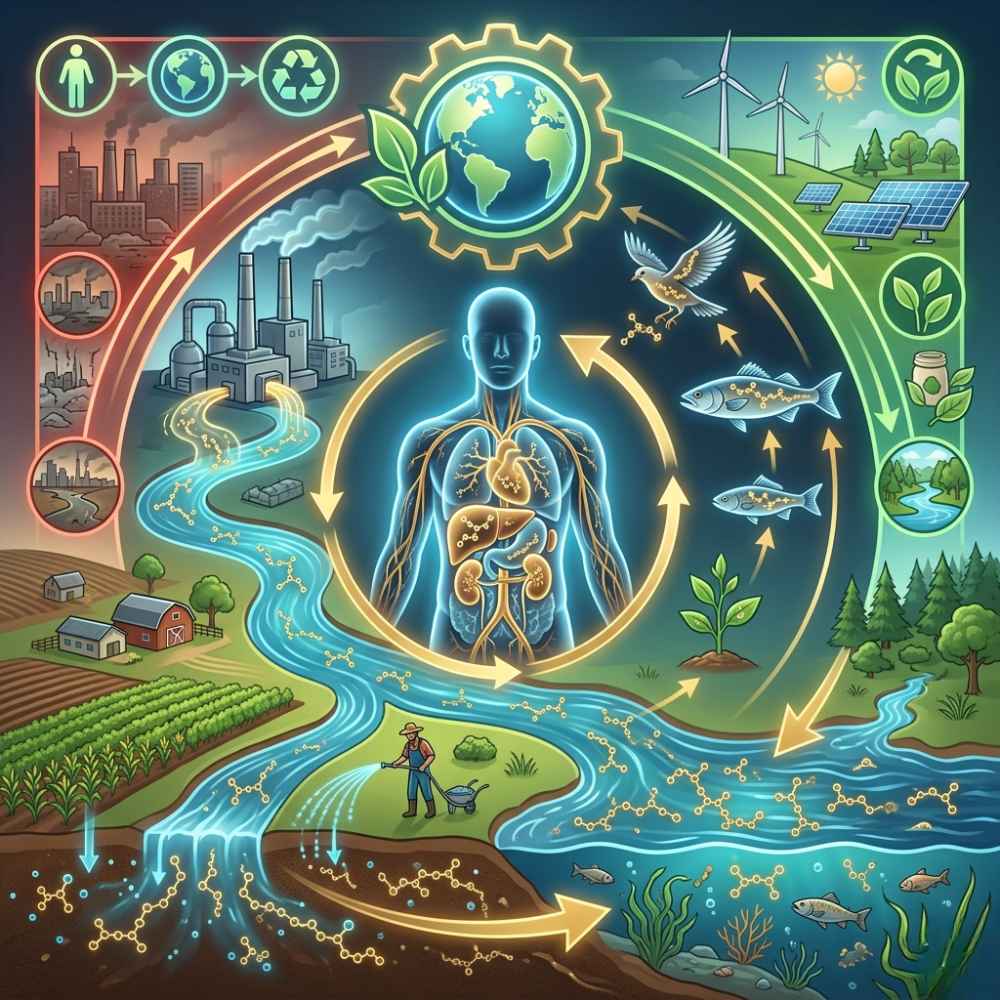
The Circulation Path of Chemical Substances
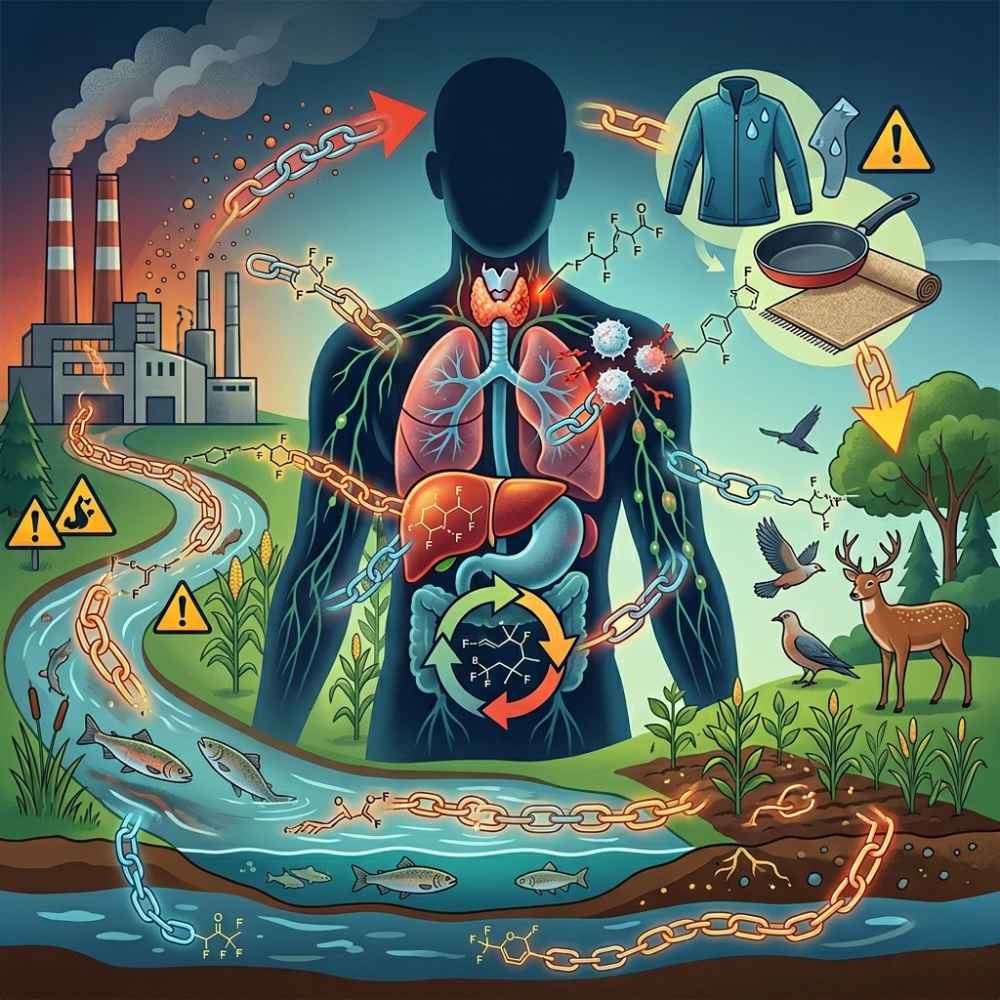
PFAS can enter water bodies through industrial emissions, further affecting soil and agricultural systems, and ultimately returning to the human body to form a cycle of continuous exposure.
Long-Term Cumulative Effects on the Ecosystem
Because PFAS are difficult to degrade, their cumulative effects in the environment can cause imbalances in the ecosystem, including water pollution and increased residues within living organisms.
Sustainable Development and Material Selection
International trends are progressively integrating material safety into sustainable development frameworks, emphasizing that products must simultaneously balance human health, environmental impact, and resource efficiency.
5. How Consumers Can Choose Relatively Safe Materials
The Importance of Material Transparency
When choosing clothing, priority should be given to products with clear material labeling, transparent manufacturing processes, and safety certifications to minimize potential risks.
Natural and Low-Chemical Processed Materials
Natural fibers (such as cotton and linen) and materials undergoing minimal chemical processing generally have fewer chemical residues, making them a common choice for safety today.
Avoiding Overly Functionalized Products
Products that overemphasize waterproof or stain-resistant capabilities without clearly indicating the source of their technology may harbor a higher proportion of chemical treatments, requiring increased consumer awareness.
6. Conclusion: Clothing Safety Is Becoming a New Consumer Standard
The clothing industry is undergoing a structural transformation; material safety is no longer just an additional feature but is gradually becoming a basic threshold for products. The environmental and health issues surrounding PFAS are further driving the industry to rethink how chemical materials are utilized.
In the future, clothing choices will not only be about appearance and functionality but will also involve health risk management and environmental responsibility. The interactions among consumers, enterprises, and regulatory agencies will collectively determine the development direction of the material industry.
FAQ | PFAS and Clothing Safety Frequently Asked Questions
Q1: What is PFAS? Why does it appear in clothes?
PFAS are a class of synthetic chemical substances possessing waterproof, oil-proof, and stain-resistant properties. Therefore, they are frequently used in the surface treatment of textiles, such as water-repellent coatings or performance fabric processing. Because of their high stability and resistance to degradation, they are also known as "forever chemicals."
Q2: Does PFAS in clothing affect health?
Current research indicates that PFAS can accumulate in the human body and are linked to the endocrine system, immune system, and metabolic functions. However, actual health risks still depend on the level of exposure, usage time, and product type. Most international agencies continue to conduct ongoing risk assessments.
Q3: How can I know if my clothes contain PFAS or harmful chemical substances?
Consumers can make a preliminary judgment through the following methods:
• Check if the product is labeled "PFAS-free" or "fluorine-free water repellent."
• Look for third-party safety or environmental certifications.
• Verify if the material sources and processing methods are clearly labeled.
• Beware of products that overemphasize waterproof or stain-resistant features without technical explanations.
Q4: Are natural materials definitely safer?
Natural materials (such as cotton and linen) generally undergo less chemical processing, but this does not mean they are completely risk-free. Safety still depends on:
• The dyeing and finishing processes
• Post-processing chemical treatments
• Production standards and testing regulations
Therefore, judgment should be based on the "overall transparency of the manufacturing process" rather than a single material type.
Q5: Will the clothing industry completely eliminate PFAS in the future?
Multiple regions globally have already begun restricting the use of PFAS and are promoting alternative material technologies, such as fluorine-free waterproof technology and bio-based materials. However, because transitioning technologies and costs take time, the industry is currently in a phase of gradual substitution rather than complete elimination.
References
1. EPA — Per- and Polyfluoroalkyl Substances (PFAS)
2. WHO — Chemical Safety and Health
3. NIEHS — PFAS and Human Health
4. Greenpeace Detox Campaign Reports
5. OECD PFAS Portal
6. OEKO-TEX Standard 100
7. Textile Exchange Sustainability Reports
8. Ellen MacArthur Foundation — Fashion and Circular Economy
9. bluesign Textile Chemical Management
10. International research reports related to textiles and sustainable materials
Related products
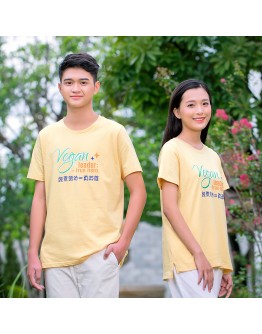

PRODUCT DETAILS Stock ID: A3034 Name: Vegan Slogan "true hero" Organic Cotton T-shirt Slogans: Vegan leader = true hero. 純素領袖=真英雄 Vegan leader: real Peace giver! 純素領袖:真正的給予和平者! Material: 100% organic cotton CARING • Please use natural, chemical-free detergents to protect the cotton fabric and the environment. • Wash dark and light-colored clothing separately. • Wash with cold water (below 35℃ or 95°F). Do not soak in detergent for a long time. • Do not use bleach or fabric softeners. Chemical agents can damage the softness and breathability of organic cotton. • When washing by machine, turn the garment inside out and place it in a laundry bag. Use a delicate wash cycle. • When washing by hand, do not wring out the garment after washing. Turn the garment inside out, put it in a laundry bag and place it in the washing machine on a slow spin cycle. • If drying outdoors, turn the garment inside out. Do not leave exposed to the sun for too long in order to maintain the garment’s color. • Do NOT tumble dry. • Do NOT iron directly on the print. Place a thin towel over the print area and iron on the lowest heat. COLOR DISCLAIMER Product pictures are taken of the actual product. There may be slight color differences between the photos and the actual product due to the lighting sources and how they are displayed by your monitor or device. Supreme Master Ching Hai has created a magnificent series of slogan-decorated garments & accessories for the vegan Golden Era. The slogans help to awaken people’s innate benevolent and loving nature, thus opening the Great Gate to a peaceful vegan world! 100% natural organic cotton Breathable, comfortable, and colorful Own it. Wear it. Love it! Wearing Celestial Cloud clothes adorned with vegan slogans Emanating Divine Light, Truth, Beauty & Goodness Brightening up the entire Universe You are a hero for promoting World Vegan, World Peace! ..
Add to Cart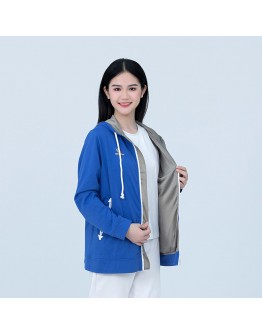

PRODUCT DETAILS Stock ID: E3303 Name: EMF Protection Unisex Hooded Jacket (royal blue) Color: Royal Blue Material: Inside 100% EMF-shielding material (silver fiber), Outside 100% cotton CARING The special high-quality silver fiber is different from ordinary fabrics, so each product comes with detailed washing and maintenance instructions. Please follow these instructions to ensure the longevity of the silver fiber and that it achieves its highest protective effect. 1. Wash in pure, cool water; water temperature should be below 30°C (or 86°F). 2. Use a neutral detergent with no chlorine bleach. 3. Gently hand wash. Avoid rubbing and machine washing. 4. After washing, do not wring, spin, or dry in a machine. Hang indoors and avoid exposure to sunlight. 5. Ironing or dry cleaning is not recommended. COLOR DISCLAIMER Product pictures are taken of the actual product. There may be slight color differences between the photos and the actual product due to the lighting sources and how they are displayed by your monitor or device. New arrivals!! Special silver fiber high-quality radiation protection series! This series of products originates from Supreme Master Ching Hai’s meticulous love and care for the public. Considering that our modern lives may be affected by radiation from computers, smartphones, TVs and the environment, a series of radiation protection products has been specially designed to protect the wearer from radiation exposure. These products are made of a special silver fiber fabric that provides excellent radiation protection. The fabric is lightweight, soft, and comfortable, so you can feel relaxed and elegant while working. ..
Add to Cart

