
The Cultural Aesthetics of Traditional Clothing Colors Around the World: Eastern Elegance and Western Splendor
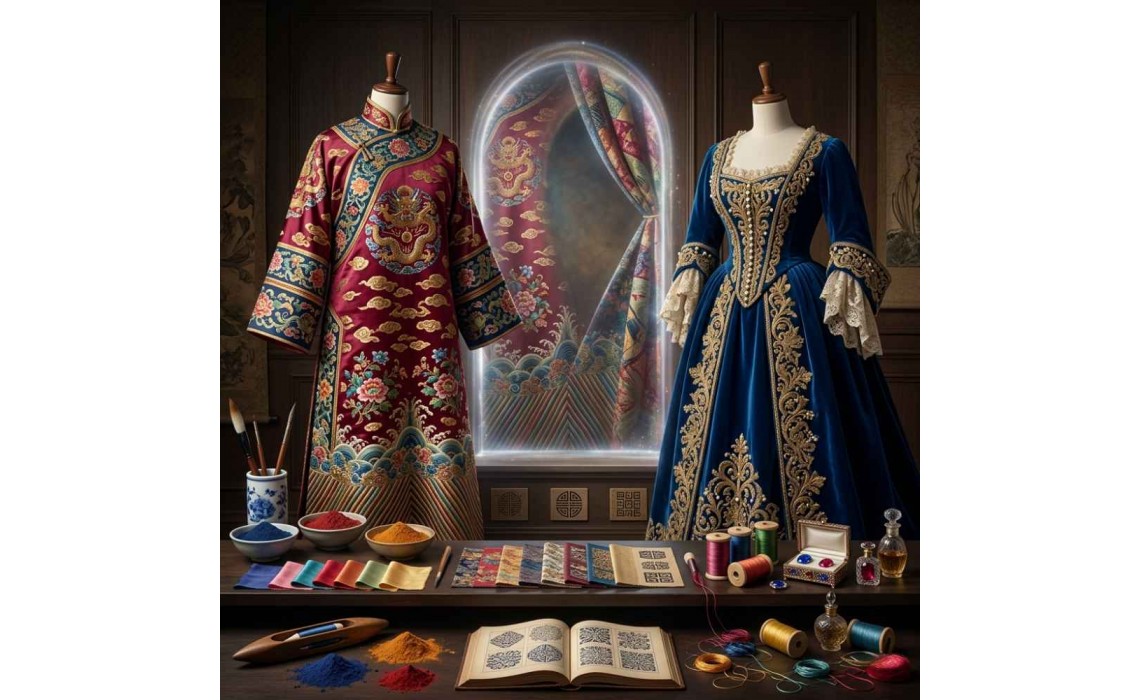
Color is one of humanity’s most immediate and profound forms of expression. When we look at a piece of traditional clothing that has endured through the centuries, the first thing we often notice is not its cut, but its color. These colors are far more than visual decoration—they carry the spirit of a people, the devotion of religions, and the rise and fall of power. From the perspective of Celestial Cloud, let us journey through time and explore the cultural meanings behind traditional clothing colors, discovering the fascinating meeting point of Eastern and Western aesthetics.
2. The Splendor of Western Courts: Religion, Power, and European Clothing Colors
3. East Meets West: Cultural Meanings and Psychological Differences in Traditional Clothing Colors
4. Traditional Colors in the Modern World: Their Influence on Contemporary Aesthetics and Brand Design
5. Conclusion: Color as a Universal Cultural Language
1. The Color Philosophy of the East: The Five Elements and Traditional Asian Clothing
In Eastern cultures, colors have never existed in isolation. They are deeply connected to the balance and movement of the universe. The color schemes found in traditional Asian clothing reflect the profound philosophy of harmony between humanity and nature, providing the key to understanding the aesthetics of traditional garments.
The Five Elements and the Order of Colors in Hanfu
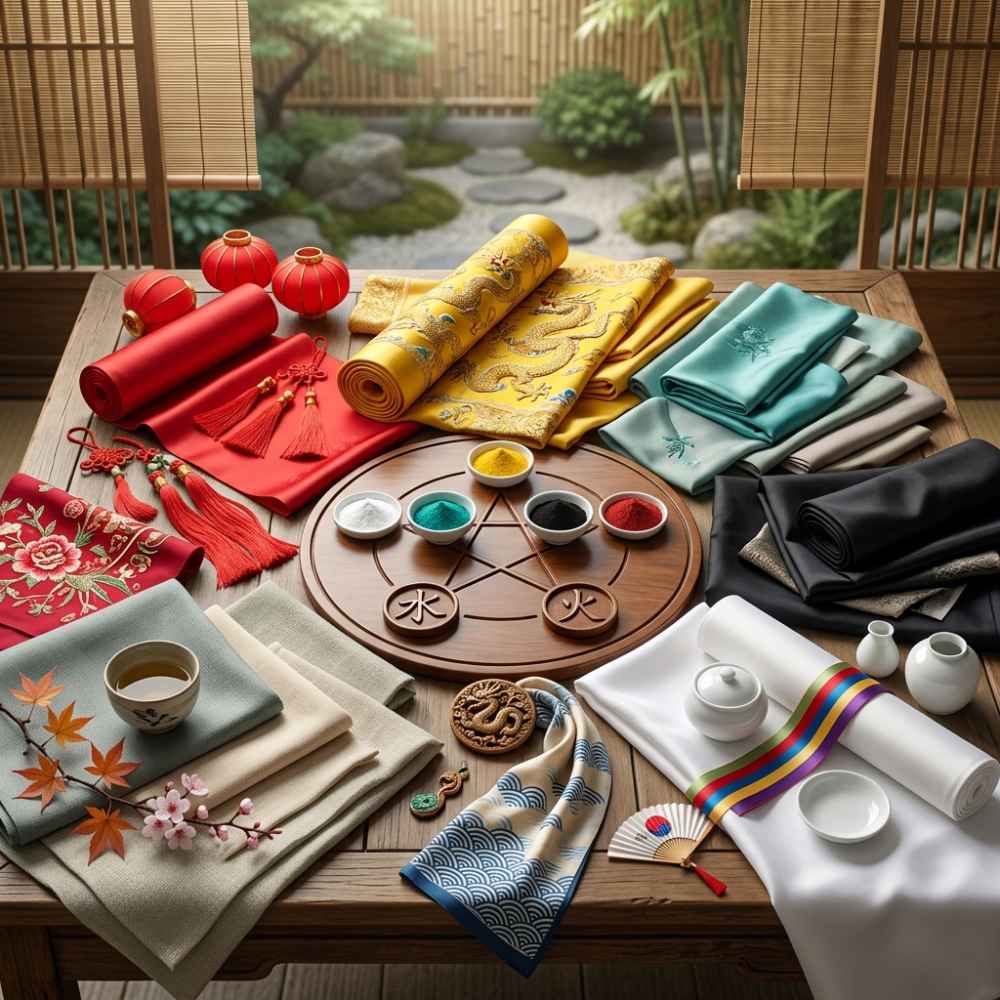
In ancient China, clothing colors were closely connected to the theory of the Five Elements. Metal, Wood, Water, Fire, and Earth corresponded to white, blue-green, black, red, and yellow, respectively. These were known as the Five Primary Colors. This system defined not only beauty but also social order. In Hanfu, the primary colors were generally reserved for the imperial family and nobility, while ordinary people wore secondary colors created by mixing the primary ones. This distinction reflected the ancient Chinese respect for hierarchy and order.
Imperial Yellow and Festive Red
Among traditional Chinese colors, bright yellow and rich red are perhaps the most recognizable. Yellow, representing Earth in the Five Elements, occupied the central position and symbolized supreme imperial authority. Ordinary citizens were forbidden to wear it.
Red gradually became the color of vitality, celebration, and prosperity. From wedding dresses to Spring Festival decorations, “Chinese Red” has long represented wishes for happiness, success, and peace.
The Quiet Beauty of Japan and Korea
Compared with the vibrant colors of traditional Chinese clothing, Japanese and Korean traditions developed a more restrained palette. Japanese kimono colors often draw inspiration from the changing seasons and express the aesthetic of wabi-sabi through subtle shades such as muted blue-gray and soft beige. Korean hanbok emphasizes both harmony and contrast. Bright colors traditionally represent blessings based on the Five Elements, while white has long symbolized simplicity, purity, and the modest character of the Korean people.
After exploring the Eastern philosophy of harmony with nature, we naturally wonder how the Western world developed its own distinctive language of color through religion and royal courts.
2. The Splendor of Western Courts: Religion, Power, and European Clothing Colors
The history of Western traditional clothing is a story of light, faith, and social hierarchy. Throughout European history, colors distinguished the sacred from the ordinary and the wealthy from the poor.
Sacred Blue and Royal Purple
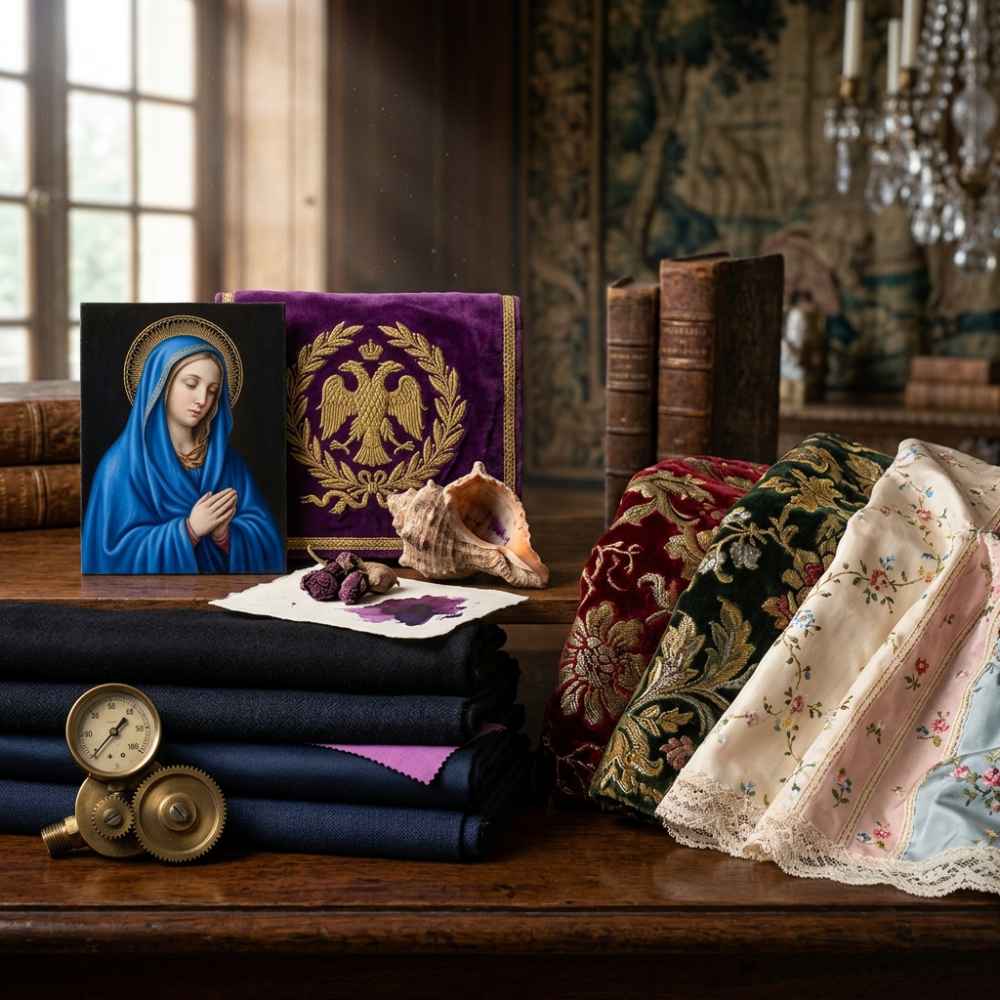
In Europe, blue became closely associated with the Virgin Mary, symbolizing purity and holiness. Purple, however, represented the highest level of authority. During the Roman Empire, purple dye was extracted from thousands of sea snails and was valued almost as highly as gold. As a result, purple became the enduring symbol of royalty and high-ranking religious leaders.
Victorian Society and Social Status
As industrialization and synthetic dyes advanced, the meanings of colors also evolved. During the Victorian era, black came to symbolize professionalism, dignity, and authority, rather than simply mourning. The invention of Mauveine, the first synthetic purple dye, marked a new era in fashion. Despite the wider range of available colors, deep, elegant tones continued to distinguish the upper classes from ordinary workers.
From Baroque to Rococo
Baroque fashion favored luxurious combinations of gold, silver, deep red, and dark green. During the Rococo period, styles became lighter and more graceful, with pastel blue, pink, and pale yellow becoming fashionable. This transformation reflected a shift in aristocratic life—from displaying political power to enjoying private elegance and social gatherings.
When comparing East and West, we discover that the same color can carry completely different meanings. This contrast highlights the remarkable diversity of human culture.
3. East Meets West: Cultural Meanings and Psychological Differences
In today's globalized world, familiar color combinations are rooted in centuries of cultural exchange and contrast.
Red Across Cultures
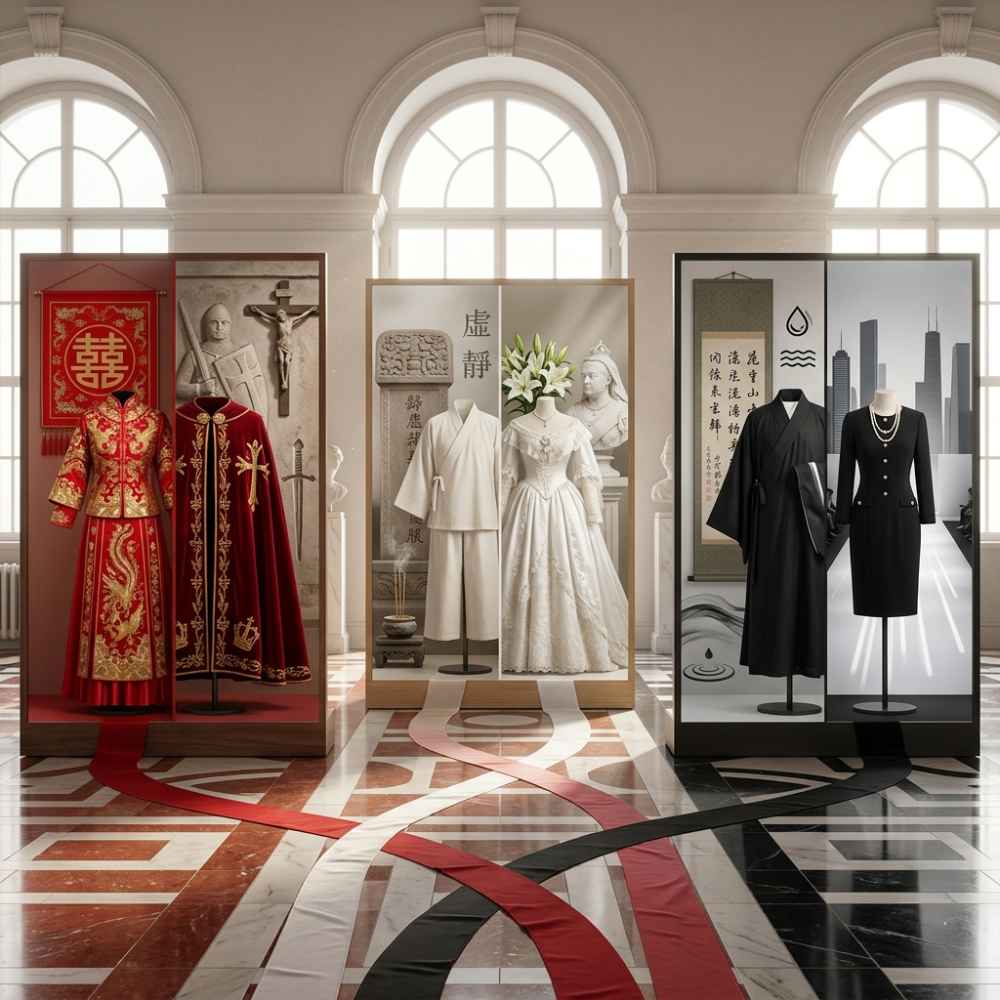
In Eastern cultures, red represents good fortune, celebration, and prosperity. In Western traditions, however, red carries a wider range of meanings. It symbolizes the blood of Christ, sacrifice, redemption, passion, power, and sometimes even danger. This rich symbolism gives red a unique emotional complexity.
White: Mourning or Purity?
Perhaps the greatest cultural contrast involves white. In many Eastern cultures, including China and India, white has traditionally been associated with mourning and remembrance. In Western culture, especially after Queen Victoria popularized the white wedding dress in the nineteenth century, white became the symbol of purity, innocence, and joyful celebration.
The Evolution of Black
In ancient Eastern traditions, black sometimes represented water, the north, and quiet wisdom. In the West, black evolved from the color of clergy and mourning into a symbol of timeless elegance, especially after Coco Chanel introduced the famous "little black dress." Today, black has become an international symbol of sophistication and authority.
4. Traditional Colors in the Modern World
Although these traditions are centuries old, they continue to influence contemporary design. Modern designers no longer simply copy historical styles. Instead, they reinterpret the essence of traditional color aesthetics and transform them into compelling brand stories.
Traditional Colors as Cultural Symbols
When modern brands use shades such as deep blue-green or imperial gold, they evoke a sense of cultural heritage and timeless elegance. Colors become more than decoration—they become symbols of identity and history.
Cross-Cultural Design
Many international luxury brands have incorporated traditional Eastern colors into contemporary fashion. Rather than simply borrowing visual elements, designers combine Eastern color symbolism with Western tailoring, creating innovative designs that resonate across cultures.
Color Psychology in Branding
Color is often the first element that attracts attention. Understanding the cultural meanings behind colors enables designers and marketers to build stronger emotional connections with audiences. Thoughtful color choices enhance visual identity, strengthen brand recognition, and create lasting impressions.
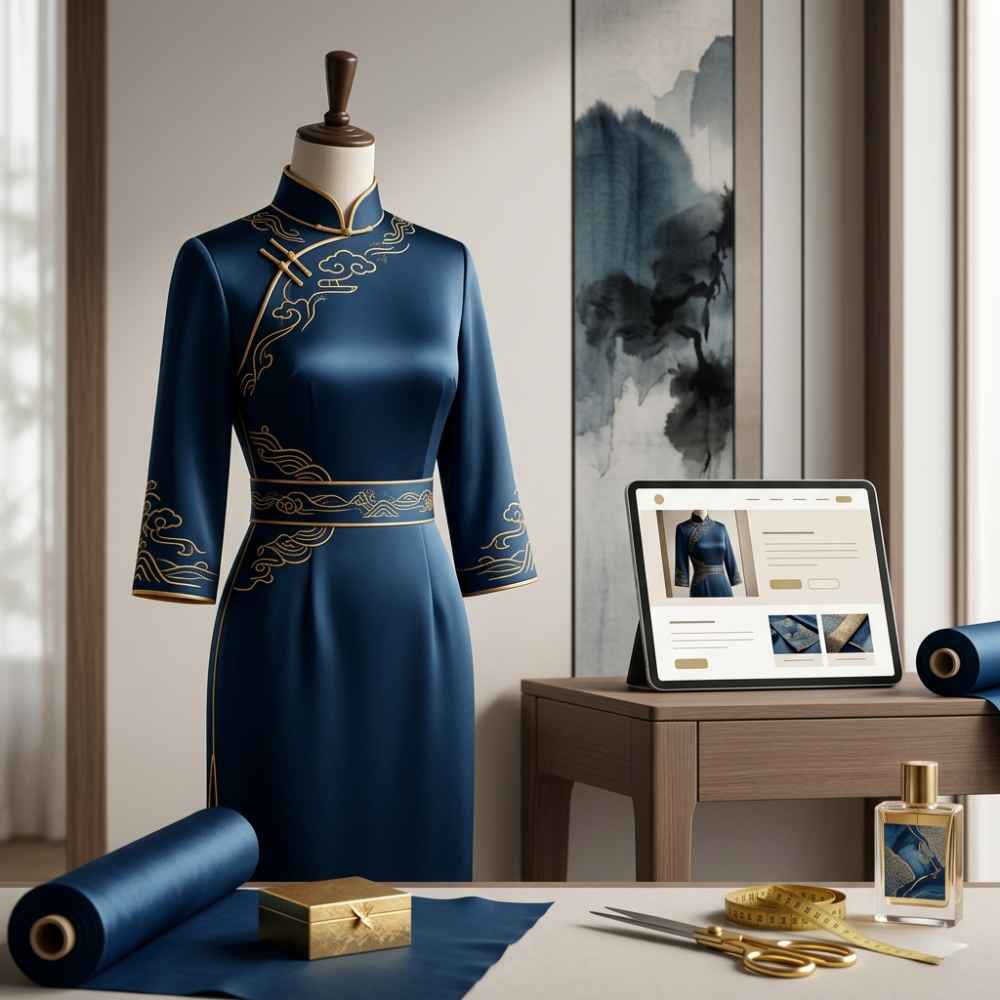
5. Conclusion: Color as a Universal Cultural Language
Looking back on this colorful journey, we see that whether it is the Five Elements reflected in Hanfu or the royal purple of European courts, traditional clothing colors have always expressed humanity's pursuit of beauty, harmony, and order. Color transcends language. Through threads, dyes, and garments, it tells the story of civilizations, their histories, and their encounters. By combining historical insight with elegant design, these traditional colors continue to inspire the modern world. They are not merely records of the past but also sources of creativity for the future.
Which country's traditional clothing colors interest you the most? Are you drawn to the symbolic primary colors of the East or the magnificent palettes of European courts? Join us as we continue exploring culture, design, and aesthetic inspiration.
References
1. Pastoureau, M. (2001). Blue: The History of a Color. Princeton University Press.
2. Sun Ji. (2014). Material Culture of Ancient China. Zhonghua Book Company.
3. Heller, E. (2009). Psychology of Color: How Colors Act on Feelings and Reason. Prestel.
4. Shen Congwen. (2005). A Study of Ancient Chinese Clothing. Shanghai Bookstore Publishing House.
5. Steele, V. (2017). Paris Fashion: A Cultural History. Bloomsbury Academic.
Related products
/C0432E1M/C0432E1M-9-262x334.jpg "Quality Celestial Clothes Suit \"Celebrating Peace\" Customized Product C0432【Celestial Cloud】")
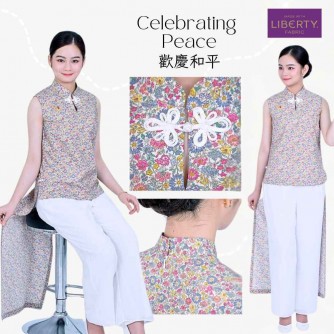
PRODUCT DETAILS Stock ID: C0432 Material: Dress: 100% cotton, Trousers: chiffon Personally customized styles. No returns or exchanges. Please contact customer service before placing an order. WEIGHT Subject to shipped product. CARING - Washable, water temperature below 40℃. - Use neutral detergents. - Can spin dry. - Do not bleach. - Do not tumble dry. PURCHASE NOTE * Accessories not included. * Sizes other than those listed in the size chart can be custom-made, and there will be an additional fee for sizes larger than XL. A grand listing of Supreme Master Ching Hai's newest design of high-class Celestial Garment, the "Casual Series" and "Classical-Formal Series" are now available! In the overall color scheme, the choice of fabrics, and even the details of patterns and threads, Supreme Master Ching Hai has given each piece of Celestial Garment a rich, vibrant, sparkling, and unique Heavenly Light with infinite love and boundless wisdom. The " Classical-Formal Series " of high-class Celestial Garment demonstrates your heavenly qualities of elegance and beauty and lets God's eternal love and light shine on all souls, reminding the world to rejoice in their "homecoming". Supreme Master Ching Hai says, "Wearing elegant clothing reminds us of our inner good, superb qualities." Hence, a beautiful dress, a beautiful heart, a wonderful and harmonious world starts from yourself! Elegant design, soft and cozy, flowing and carefree, easy and versatile. Breathable cotton dress, with chiffon yarn trousers, skin-friendly, breathable and comfortable. The short front and long back of the dress are designed to emphasize a slender figure and a flowing temperament. The small stand-up collar is decorated with Chinese knot buttons at the neckline and side openings, showing a neo-classical fashion style. The Classic Formal Collection is the perfect way to show off your elegance on any occasion. ..
Add to Cart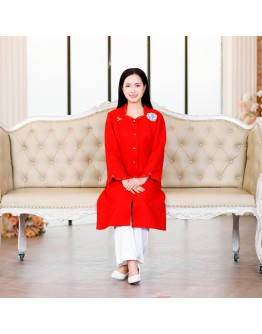
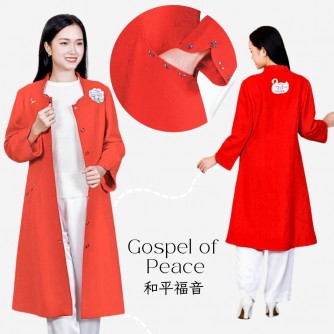
PRODUCT DETAILS - Stock ID: V0358 - Name: Gospel of Peace - Material: Outer fabric: cotton & polyester. Lining: cotton WEIGHT Subject to shipped product. CARING - Washable, water temperature below 47℃. - Use neutral detergents. - Can spin dry. - Do not bleach. - Do not tumble dry. PURCHASE NOTE * Accessories not included. * Personally customized styles. No returns or exchanges. * Sizes other than those listed in the size chart can be custom-made, and there will be an additional fee for sizes larger than XL. Vegan Peace Series of Autumn/Winter Coats Noble & Elegant, Cozy and Light, Fashionable Love Crafted from premium imported fabrics, these selections are soft, comfortable, vibrant, and versatile, effortlessly combining warmth and beauty without the heaviness often associated with autumn and winter. Each stitch is woven with love and blessed with grace, wrapping you in warmth and comfort throughout the autumn and winter seasons. Decorated with vegan slogan cloth patches, these pieces spread a message of peace, planting seeds of love in the earth while fostering a serene spiritual haven. Wear it to: • Proclaim the gospel of peace and radiate light and hope in every direction. •Allow the light of wisdom to illuminate your heart and share the glory of God with the Milky Way! Embrace Heaven and Earth with a vegan spirit and illuminate all beings with fashionable love! Make your choice now and let love and peace follow you every day! ..
Add to Cart

